The License Beneath the Logo: Auditing Typeface Risk in Your Brand System
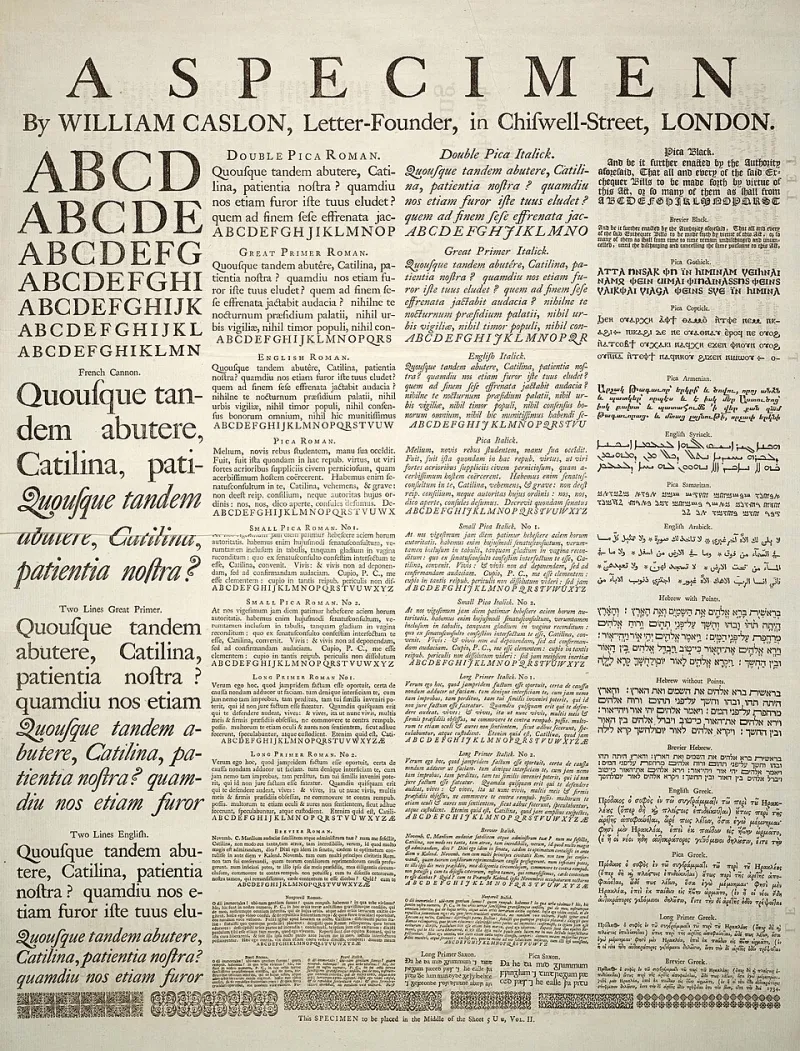
Photo: William Caslon, Public domain, via Wikimedia Commons
Typefaces rarely enter a corporate brand system through a formal procurement event. They arrive inside a logo package, a campaign template, a presentation deck, or an acquired company's website. By the time the typeface is embedded in packaging, product interfaces, and paid media, it is treated as a visual asset rather than what it usually is: licensed software with defined permissions. That gap between perception and contract is where font risk accumulates. In 2026, as brand systems span more channels and more vendors than ever, the exposure is no longer hypothetical.
The License Is Not the Logo
Buying a design deliverable is not the same as buying the rights to every component inside it. A foundry license may limit use by media, seat count, pageviews, application embedding, geography, entity, or term. Some licenses permit desktop installation but not web self-hosting. Others allow a marketing site but not a product interface or a kiosk. An agency may hold the license in its own name, leaving the client with no durable right after the relationship ends. These distinctions are easy to miss because the font file itself looks like any other asset in a folder.
Why Font Risk Stays Hidden
Font risk stays hidden for three structural reasons. First, ownership is decentralized. Web teams, packaging vendors, product groups, and regional offices often hold their own files. Second, procurement usually buys outcomes - a campaign, a website, a rebrand - rather than a license schedule. Third, brand guidelines describe typography visually, not legally: approved families, weights, and fallback stacks, but rarely licensee, permitted media, and renewal dates. The result is a brand system that can look consistent while sitting on inconsistent rights.
Where Licenses Break in US Procurement
US procurement teams are adept at managing software and vendor risk, but design services often fall between categories. A statement of work may require the agency to deliver 'all source files' without specifying whether licensed fonts can be transferred, sublicensed, or embedded. Web font subscriptions may be purchased by a digital agency and forgotten when the agency of record changes. Product teams may embed a desktop font in an app without an app license. Marketing may use a font in a paid social video, packaging, or broadcast spot that the license does not cover.
M&A adds another layer. Font licenses are frequently non-transferable, and an acquired company's rights may not extend to the parent's brands, entities, or channels. Divestitures create the mirror problem: a seller may retain fonts used by the business it sold. Vendor transitions - from one agency to another, from an in-house studio to a freelance bench, from a US team to a global production partner - can leave files in circulation without a valid grant. None of these failures require malice. They require only time, turnover, and unclear ownership.
A Practical Font Audit
A font audit should be treated as a brand operations exercise, not a legal scavenger hunt. The goal is a defensible register that connects every typeface in use to a license and an owner.
- Inventory the estate. Collect font files, family names, versions, and sources. Map where each appears: web, email, print, packaging, product interface, environmental graphics, video, presentations, and documents. Include staging domains, regional sites, and acquired brands.
- Read the license. Identify the licensor, licensee entity, permitted media, seat or pageview limits, term, modification rights, embedding rights, and transferability. Separate desktop, web, app, server, and broadcast permissions.
- Reconcile use against grant. Flag any channel, entity, or volume that exceeds the license. Pay particular attention to customer-facing product embeds, high-traffic web properties, and acquired brands.
- Prioritize exposure. Rank gaps by customer reach, legal risk, and replacement difficulty. A font embedded in a shipping product is a different problem from a font used in a retired sales deck.
- Remediate deliberately. Extend the license, replace the typeface, negotiate an enterprise agreement, or remove unlicensed files. Update guidelines and templates at the same time so old files do not circulate.
- Document and calendar. Maintain a font register with license metadata, renewal dates, approved fallback stacks, and an exception process. Assign an owner in brand operations and a review partner in legal.
Findings should go to counsel for interpretation, especially where the license language is ambiguous or the use is already live. The audit is not a substitute for legal advice. It is the factual record legal counsel needs to advise the organization accurately.
Governance That Keeps Legal and Design Aligned
Governance works when it is built into the design process rather than bolted on after a claim. Brand teams should publish an approved typeface list with license parameters, not just visual specimens. Procurement should require font license schedules in design statements of work and master services agreements. Legal should review transferability and embedding terms before an M&A close, not after integration begins. IT and web operations should maintain a web font inventory that includes self-hosted files, third-party subscriptions, and staging environments. Product teams should confirm app and server rights before a typeface enters a release.
An annual audit is the minimum cadence for organizations with multiple brands, agencies, or acquired entities. The audit does not need to be adversarial. Its purpose is to give design and legal a shared record of what the brand actually uses and what the organization actually owns. That record protects the visual system as much as any trademark registration does.
A typeface is one of the few brand assets that appears in nearly every customer interaction. It deserves the same diligence as a domain, a trademark, or a data-processing agreement. The license beneath the logo is not a footnote. It is brand infrastructure. Organizations that audit it now will spend less time remediating files later and more time building the consistent, ownable identity their strategy promised.